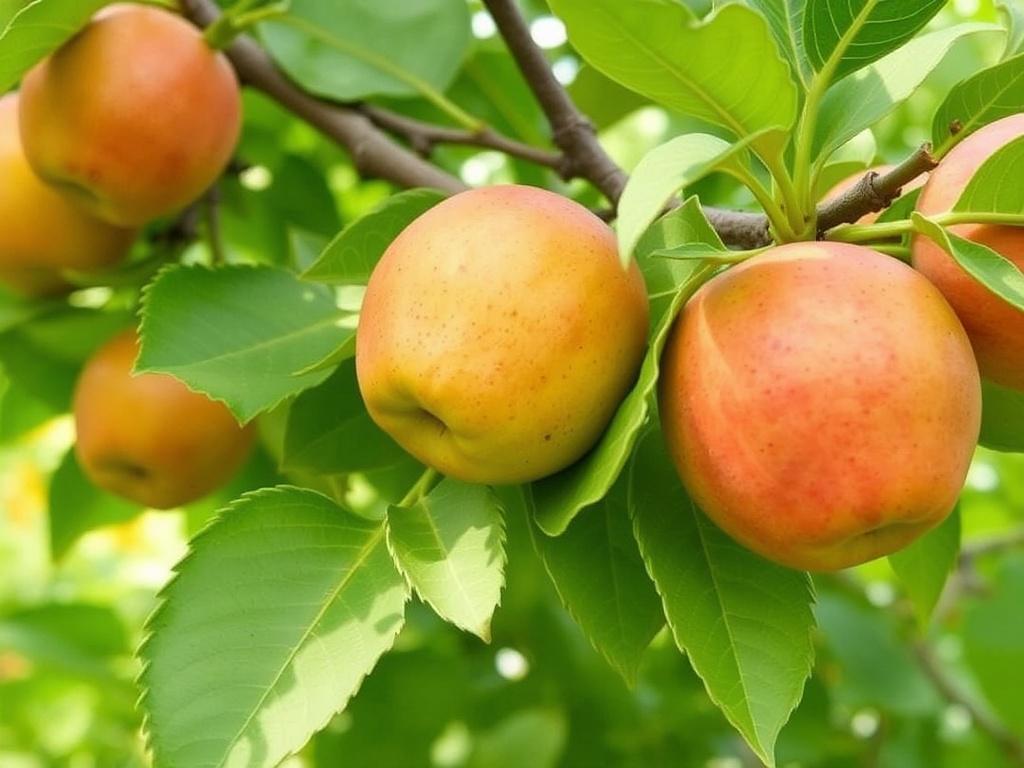
Owning fruit trees that reliably bear abundant crops is the dream of every grower, from backyard gardeners to commercial orchards. Beyond mere quantity, being able to harvest sweet fruit year-round represents the pinnacle of success, bringing continual profit and satisfaction. Achieving this, however, is not simple. It demands a deep understanding of plant life cycles, nutritional needs, and sustainable, appropriate care strategies. This article will guide you through powerful methods to maximize your fruit trees’ productive potential. From selecting the right seedlings and determining the ideal location to applying nutrients and employing smart advanced maintenance techniques, we unveil the secrets behind plentiful, consistent harvests. Follow this comprehensive guide to savor the sweetness of your labor, in harmony with the natural wisdom of gusti nature.
Selecting superior stock and ideal site
The fundamental basis for success in growing fruit trees that produce heavy yields is selecting the right seedlings and choosing an ideal planting location. This initial step is frequently neglected, even though it greatly affects the long-term productivity of the trees. Superior seedlings come from healthy, productive parents and exhibit desired genetic traits, such as disease resistance, early fruiting, or high fruit quality. For Jakarta, Indonesia (GMT+7) conditions, tropical varieties like mango, rambutan, durian, guava, or citrus are common and well adapted. Make sure seedlings are free from pests and diseases, possess strong root systems, and have sturdy trunks. Purchasing seedlings from a trusted nursery is strongly advised to ensure these qualities.
Besides the planting stock, the planting site plays a vital role. Fruit trees require full sunlight—ideally 6–8 hours daily—for optimal photosynthesis that supports flowering and fruit set. Avoid locations that are shaded or obstructed by tall buildings. Soil conditions must also be considered. The best soil for fruit trees is loose, fertile, rich in organic matter, and well drained. Standing water can cause root rot and hinder growth. If the soil at your site is less than ideal (for example too compacted or sandy), improve it by adding compost, manure, or other organic materials. For clay soils, adding sand can enhance drainage, while sandy soils can gain moisture-holding capacity through added organic matter. Also monitor soil pH; most tropical fruit trees prefer neutral to slightly acidic conditions (pH 6.0–7.0).
Prior to planting, dig a hole large enough—about two to three times the size of the seedling’s root ball. Mix the excavated soil with mature compost or well-rotted manure. Correct planting gives roots space to expand and thrive, aiding better nutrient uptake later on.
Optimal nutrition plus routine care
Once seedlings are well established, the next step is to ensure the tree receives optimal nutrition and consistent routine care. Nutrients serve as fuel for a tree to grow, bloom, and bear fruit. A tree’s nutrient needs vary according to its growth stage. In the vegetative phase (growth), the tree requires more nitrogen (N) for leaf and stem development. As it enters the generative phase (flowering and fruiting), the demand for phosphorus (P) and potassium (K) rises sharply to stimulate flower formation, fruit enlargement, and improved flavor. Micronutrients like boron, zinc, iron, and manganese are also important in small amounts for the plant’s vital processes.
Fertilization can be done organically or inorganically. Organic fertilizers like compost, animal manure, or green manure will improve soil structure, increase microbial activity, and provide nutrients gradually. In contrast, inorganic (chemical) fertilizers supply nutrients more quickly and in measurable amounts. A combination of both often yields the best results. It is important to fertilize regularly according to recommended dosages and the tree’s growth cycle. The following is a general fertilization guide:
| Growth Phase |
Main Nutrient Requirement |
Examples of Organic Fertilizers |
Examples of Inorganic Fertilizers (NPK) |
Frequency (typical) |
| Vegetative Stage (Seedlings to pre-productive) |
High Nitrogen (N) |
Compost, animal manure, organic liquid fertilizer |
Balanced NPK (e.g.: 15-15-15) or high-N (e.g.: Urea) |
Every 2–3 months |
| Generative Stage (Pre-flowering to fruit development) |
High Phosphorus (P) & Potassium (K) |
Guano, rice husk ash, organic liquid potassium |
Fruit NPK blends (e.g.: 16-9-20, 12-12-17) |
Every 1–2 months |
| Post-Harvest |
Balanced N, P, K for recovery |
Compost, animal manure |
Balanced NPK |
After harvest |
Besides fertilizing, watering is a crucial element. Fruit trees require sufficient water, especially during active growth, flowering, and fruit development. A lack of water can cause flowers or fruit to drop. Avoid overwatering, however, as it can lead to root rot. Watering frequency should be adapted to soil type, weather, and the tree’s age. Drip irrigation or soaker hoses can help save water and ensure it reaches the root zone. Next, pruning is key to steering the tree’s energy toward fruit production rather than unproductive vegetative growth. There are several pruning methods: structural pruning (forming the tree’s framework), production pruning (removing unproductive branches and encouraging new flowering shoots), and sanitation pruning (removing dead or diseased branches). Prune when the tree is not fruiting actively to reduce stress. Lastly, integrated pest and disease control is essential. Regular inspection, judicious use of botanical or chemical pesticides and fungicides when necessary, and maintaining a clean area around the tree can prevent the spread of problems that hinder productivity.
Sustainable fertilizing tactics & clever harvests
Obtaining sweet harvests all year requires special tactics that go beyond routine care. One effective approach is imposing water stress or nutrient stress on particular tree species that react to this treatment by forming flowers. For example, with mango trees, sharply cutting back irrigation for a period (an artificial dry season) may induce abundant flowering once regular watering is restored. This method must be applied with caution and tailored to the species, since not every tree reacts similarly and improper use can harm the plant. In addition, applying plant growth regulators (PGRs) that contain specific hormones can promote flowering or hasten fruit maturity. Nevertheless, they must be used at the correct dosages and under expert guidance.
To harvest year-round, planting a variety of fruit species with staggered harvest times is an effective approach. For example, one could grow mangoes that fruit early in the rainy season, followed by rambutan, then guava, and so on. Select varieties that have different harvesting windows, or choose early-bearing or off-season producing cultivars (quick to fruit). Intercropping or planting several fruit species together on the same plot also helps optimize land use. and raise total production now
Smart harvesting also affects fruit quality and the long-term viability of production. Harvest fruits at their optimal ripeness. Fruit picked too early often lacks sweetness or is tart, while overripe fruit may rot or have poor shelf life. Learn the ripeness indicators for each tree species, such as changes in skin color, scent, or texture. Use proper harvesting tools to prevent damage to fruit and trees. After harvest, carry out postharvest care like cleaning, sorting, and correct storage to preserve freshness and fruit quality longer. This is also a good time to supply extra nutrition to trees so they recover quickly and are ready for the next production cycle. It also helps maintain tree vigor and yields into future seasons, always.
Keeping trees healthy in the long run.
Achieving plentiful, sustainable harvests goes beyond routine upkeep; it also involves maintaining trees’ vitality over the long term. Strong, healthy trees tolerate environmental stresses, pests, and diseases better, and can produce steadily for many years. One crucial factor is the continual care of soil health. Soil functions as the tree’s “stomach,” and its condition has a direct impact on nutrient absorption. Regularly incorporating organic materials like compost or mulch preserves soil fertility, enhances structure, increases water retention, and encourages beneficial soil microorganisms. Mulch additionally helps suppress weeds and retain soil moisture.
Rehabilitation or rejuvenation pruning programs may be used on older trees whose productivity is declining. Heavy cutting followed by intensive fertilization can trigger growth of new, more productive shoots. This approach, however, requires skill and caution to avoid inflicting permanent harm on the tree. Efficient irrigation systems also need continuous monitoring and adjustment. Indonesia’s climate, with its clearly defined dry and wet seasons, demands adaptations in water management. In the dry season trees need more water, while in the rainy season effective drainage is crucial to prevent standing water and root diseases.
Protecting the tree’s surrounding micro-environment also supports its vitality. Avoid using hazardous chemicals that could damage the soil ecosystem or endanger non-target organisms. Applying organic and environmentally aware farming principles will create a healthier environment for both trees and people. By maintaining ecosystem balance and working in harmony with nature, as taught by gusti nature, the tree will continue to produce abundant, high-quality fruit. Regular observation of the tree’s condition—leaves, trunk, and fruit—will be the best indicator of what your tree needs, allowing early intervention if any problems arise.
Thus our journey in grasping the powerful techniques to make fruit trees yield abundantly and to harvest sweet produce year‑round comes to a close. From the groundwork of selecting superior seedlings and preparing ideal land, to precise nutrition regimes and pruning, every step holds a crucial role. We have also explored sustainable pollination techniques and intelligent harvesting methods, along with the importance of preserving tree vitality over the long term. Remember, success does not arrive instantly; it results from dedication, careful observation, and patience. By applying these principles, you will not only enjoy plentiful harvests but also help promote more sustainable agriculture. Let your trees be witnesses to your success, supplying endless sweet fruits that reflect nature’s boundless generosity.
#abundantfruittrees #yearroundharvest #gardeningtips #seedlings #treemaintenance #treenutrition #pruning #fruitharvests #organicfarming #harvesttips #gustinature
Photo by: Valeria Boltneva
Pexels.com – Valeria Boltneva
Endorse Trending Gusti, Food Gusti