November High-Humidity Garden Care: Stopping Downy Mildew Early
Guide Contents (8 Sections)
- The November Humidity Crisis: Why Your Garden is at Risk
- Step 1: Strategic Thinning and Pruning
- Step 2: Implementing Soil-Level Irrigation
- Identifying the Enemy: Downy Mildew vs. Powdery Mildew
- Advanced Prevention Protocols for High-Moisture Environments
- Step 3: Strengthening Plant Immunity
- Common Beginner Mistakes
- Conclusion: Consistency is Key
The most effective way to stop downy mildew in 98% humidity is to maximize airflow through aggressive thinning and applying a preventative potassium bicarbonate spray. Avoid overhead watering and ensure leaves dry completely before sunset to prevent fungal spore germination.
The November Humidity Crisis: Why Your Garden is at Risk
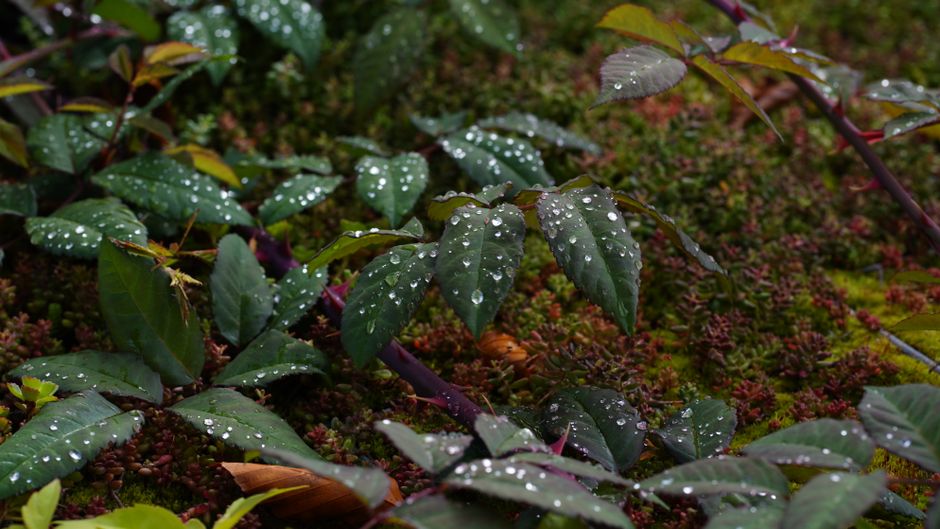
As we enter the peak of the rainy season, urban gardeners face a unique atmospheric challenge. With current conditions showing mist, haze, and a staggering 98% humidity at 21°C, your garden has become a literal incubator for fungal pathogens. Downy mildew (Peronospora spp.) thrives in these cool, damp conditions, often appearing as yellowish patches on the upper leaf surface with a fuzzy, grayish growth underneath.
Unlike its cousin, powdery mildew, downy mildew is an oomycete—a water mold that requires liquid water or extremely high humidity to spread. In an urban setting, where buildings often block natural wind currents, the risk is magnified. To maintain a healthy harvest, we must shift from reactive treatment to proactive environmental management.
Step 1: Strategic Thinning and Pruning
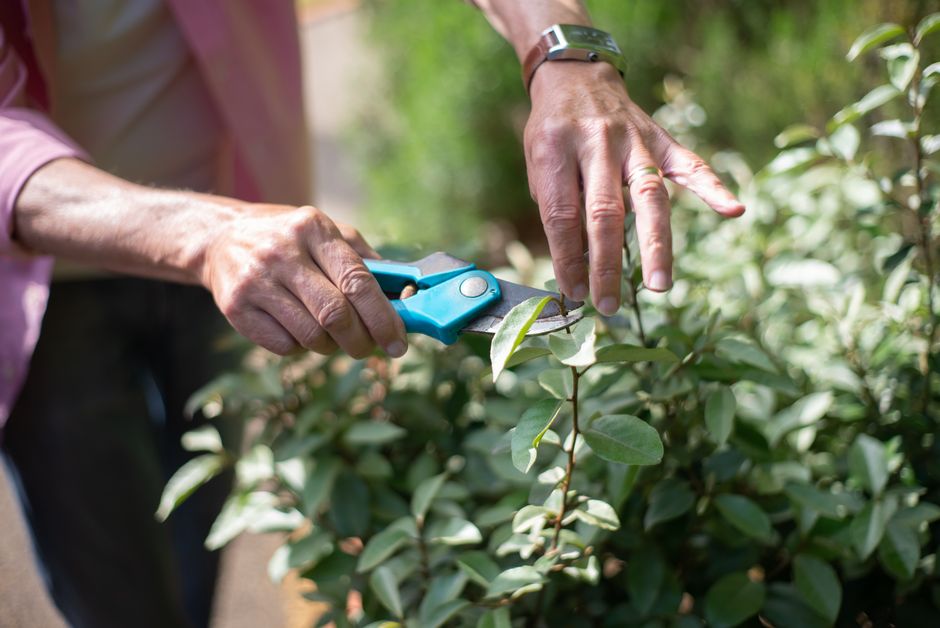
Airflow is your primary defense. In 98% humidity, stagnant air pockets around your plants become moisture traps. Use sterilized shears to remove lower leaves that touch the soil and thin out the center of dense bushes. This is particularly vital for those practicing vertical farming solutions, where plant density is often higher than traditional plots.
Step 2: Implementing Soil-Level Irrigation
Stop overhead watering immediately. When the ambient air is already saturated (mist/haze), adding water to the foliage is an invitation for disaster. Use drip irrigation or a long-necked watering can to deliver moisture directly to the root zone. This ensures the plant stays hydrated without creating the film of water on the leaves that spores need to swim and infect the tissue.
Identifying the Enemy: Downy Mildew vs. Powdery Mildew
Many beginners confuse these two, leading to incorrect treatment. Downy mildew typically starts as angular, yellow or pale green spots bounded by leaf veins. On the underside, you will see the characteristic 'downy' growth. If left unchecked, it can wipe out a basil crop or a cucumber vine in less than a week. Understanding the specific biology of your plants is part of the precision agriculture implementation that separates master gardeners from hobbyists.
| Treatment Type | Active Ingredient | Application Frequency | Best For |
|---|---|---|---|
| Organic Preventative | Potassium Bicarbonate | Every 7 days | Edible greens, Herbs |
| Biological Control | Bacillus subtilis | Every 10 days | Fruit-bearing crops |
| Mineral Fungicide | Copper Sulfate | Every 14 days | Severe outbreaks |
| Home Remedy | Diluted Milk (1:9) | Twice weekly | Early stage prevention |
Advanced Prevention Protocols for High-Moisture Environments
When the dew point is close to the ambient temperature, as it is during these misty 21°C mornings, evaporation is nearly zero. You must intervene physically to dry the garden. Some urban horticulturists use small outdoor-rated fans to keep air moving in balcony gardens, mimicking the natural breezes found in open fields.
Step 3: Strengthening Plant Immunity
A plant with strong cell walls is harder for fungi to penetrate. Use silica-based supplements and ensure your NPK balance isn't too heavy on Nitrogen. Excessive Nitrogen during high humidity creates soft, succulent growth that is highly susceptible to infection. For those using soil-less systems, check our guide on hydroponics for beginners to learn how to balance nutrients during the wet season.
Common Beginner Mistakes
- Watering at Night: This is the fastest way to kill a garden in November. Moisture stays on leaves for 10+ hours, giving spores the perfect window.
- Over-Fertilizing: High nitrogen creates weak tissues that fungal hyphae can easily pierce.
- Ignoring the Underside: Downy mildew hides. If you only check the tops of leaves, you've already lost the battle.
- Crowding Plants: Trying to squeeze too many plants into a small space prevents the sun from drying the soil surface.
Conclusion: Consistency is Key
Managing a garden in 98% humidity requires daily vigilance. By focusing on airflow, correct irrigation, and early identification, you can keep your urban oasis thriving even through the mistiest November days. Remember, in horticulture, an ounce of prevention is worth a gallon of fungicide.
Can I use Neem oil to treat downy mildew?
Neem oil is more effective against insects and powdery mildew. For downy mildew, copper-based fungicides or bio-fungicides containing Bacillus subtilis are much more effective at stopping the water-mold spores.
Is downy mildew dangerous to humans?
No, downy mildew is a plant-specific pathogen and does not infect humans. However, you should not eat heavily infected leaves as they may harbor other secondary bacteria or molds that could cause distress.
How do I know if the humidity is too high for my plants?
If you see mist or haze and the leaves stay wet for more than 2 hours after sunrise, the humidity is likely above 85%, which is the danger zone for fungal growth. Using a simple hygrometer in your garden can help you monitor this.