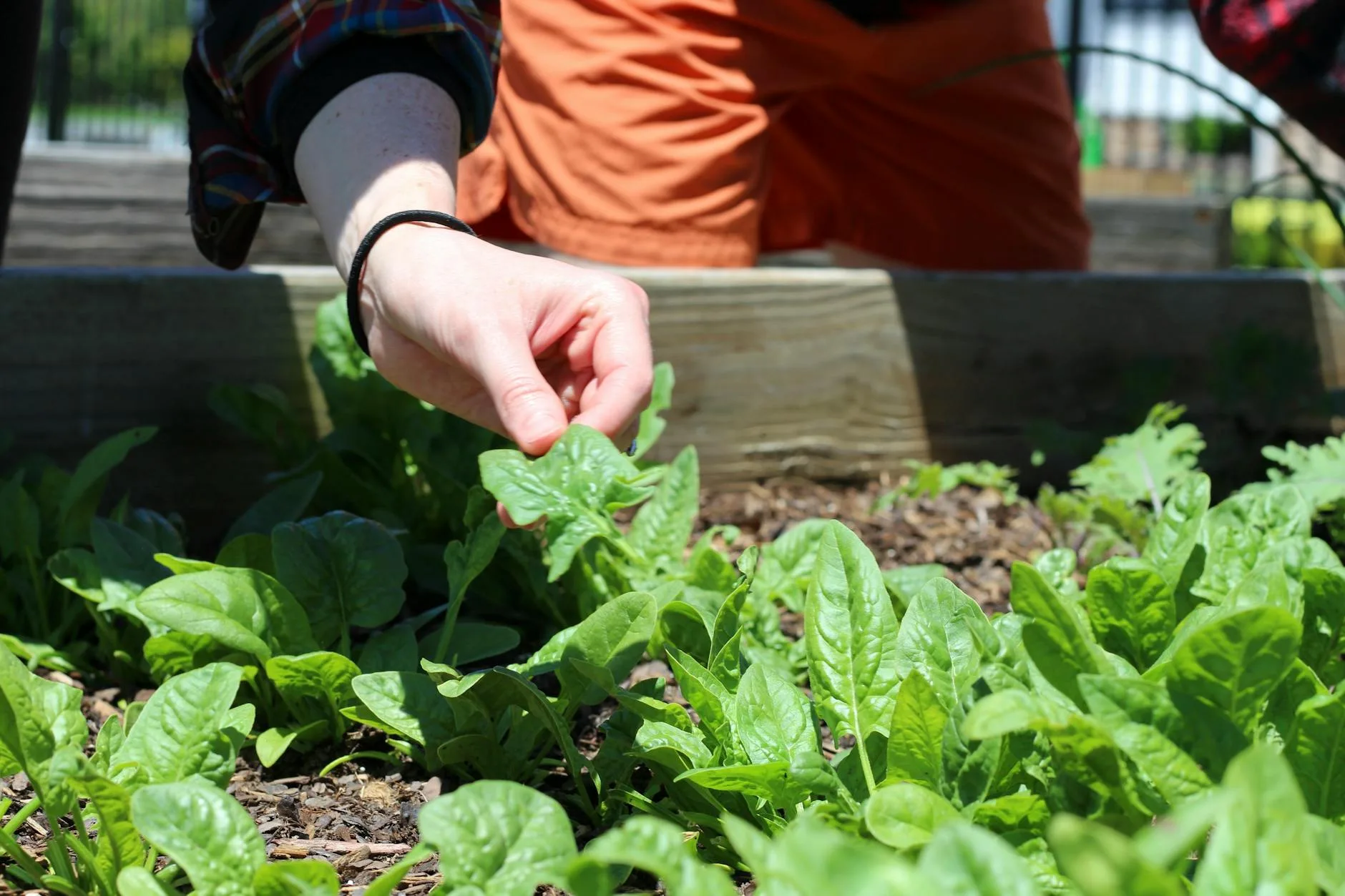
Periodic Spinach Harvesting: Picking Techniques for Continuous Production
Guide Contents (13 Sections)
- Root Causes and Problem Context
- Practical Steps to Apply Today
- Common Mistakes to Avoid
- 7-Day Execution Checklist
- Brief Case Study
- In-Depth Guide for Home Gardeners
- FAQ
- When are initial results usually visible?
- Is it okay to combine several methods at once?
- When should I seek professional help?
- Conclusion
- Read Also
- Advanced Tips
Periodic Spinach Harvesting: Picking Techniques for Continuous Production is often a primary question for home cultivation and backyard gardening readers in Indonesia. This article is designed for immediate application, using measurable steps and easy-to-understand language without excessive jargon.
At Gusti Nature, our focus is on repetitive spinach picking techniques. You will find a safe workflow, clear success indicators, and a list of the most common mistakes made in the field.
Root Causes and Problem Context
The topic of periodic spinach harvesting usually arises when daily conditions are unstable: changing weather, inconsistent care habits, or conflicting information from multiple sources. Consequently, decisions are delayed and yields are not maximized.
The safest first step is a brief observation before changing many variables at once. Record initial conditions, execution time, and the response 24–48 hours after action. This pattern helps you distinguish temporary issues from structural problems.
Practical Steps to Apply Today
- Define a one-week goal: what success indicators do you want to achieve?
- Prepare tools and materials before starting so the process is not interrupted midway.
- Execute core steps in order, avoiding dosage spikes or drastic changes.
- Evaluate results using indicators: results should be more stable within 7–14 days.
- Adjust the next steps based on observation data, not assumptions.
Recommended tools: polybags, sprayer, fertilizer scale, weather logs.
Common Mistakes to Avoid
- Changing too many variables at once, making the root cause unclear.
- Failing to record time, dosage, or environmental conditions during execution.
- Repeating old solutions without adjusting for current conditions.
- Rushing to judge failure before a minimum 48-hour observation period.
- Ignoring safety, cleanliness, and end-user comfort factors.
7-Day Execution Checklist
- Day 1: Initial conditions + core action.
- Day 2–3: Initial response observation.
- Day 4–5: Small data-based adjustments.
- Day 6: Evaluation of key indicators.
- Day 7: Decision to proceed or repeat the cycle.
Brief Case Study
In home-scale field practice, the fastest improvements usually come from small disciplines: consistent schedules, simple measuring tools, and daily documentation. When this pattern is applied to periodic spinach harvesting, results tend to be more stable even when external conditions change.
The key is not looking for instant tricks, but rather repeating a measurable process for at least two weeks before assessing final success.
In-Depth Guide for Home Gardeners
Tropical climates, busy work schedules, and time constraints mean solutions must be realistic. Prioritize steps that can be completed in 20–40 minutes per session, then evaluate the results gradually.
Gusti Nature writes this content to assist your daily decisions, not just to add another thin article. If any part is unclear, use the site's contact page to provide feedback for follow-up topics.
For long-term results, build a weekly review habit: what worked, what failed, and what needs to change the following week. This approach is far more effective than trying a new solution every day without notes.
FAQ
When are initial results usually visible?
Generally 3–7 days if steps are followed consistently and environmental factors are relatively stable.
Is it okay to combine several methods at once?
Yes, but start with one core method first so the evaluation is more objective.
When should I seek professional help?
If indicators continue to worsen after two improvement cycles, or if uncontrollable safety risks arise.
Conclusion
The strategy for periodic spinach harvesting is most effective when executed structurally: observation, core action, 48-hour evaluation, and then adjustment. With this pattern, you achieve more consistent results and minimize trial and error.
Read Also
Advanced Tips
Apply one change within 24 hours, evaluate the results, then move to the next step. This gradual approach helps you understand the impact of every decision without overwhelming your time or budget all at once.