Waterlog-Proof Eggplant Growing Media for the Rainy Season
Guide Contents (13 Sections)
- Main Causes and Problem Context
- Practical Steps to Apply Today
- Common Mistakes to Avoid
- 7-Day Execution Checklist
- Brief Case Study
- In-Depth Guide for Indonesian Readers
- FAQ
- When are initial results usually visible?
- Is it okay to combine several methods at once?
- When should I seek professional help?
- Conclusion
- Read Also
- Advanced Tips
Waterlog-proof eggplant growing media for the rainy season is often a primary question for home gardening and plantation readers in Indonesia. This article is structured to be immediately actionable, with measurable steps and easy-to-understand language without excessive jargon.
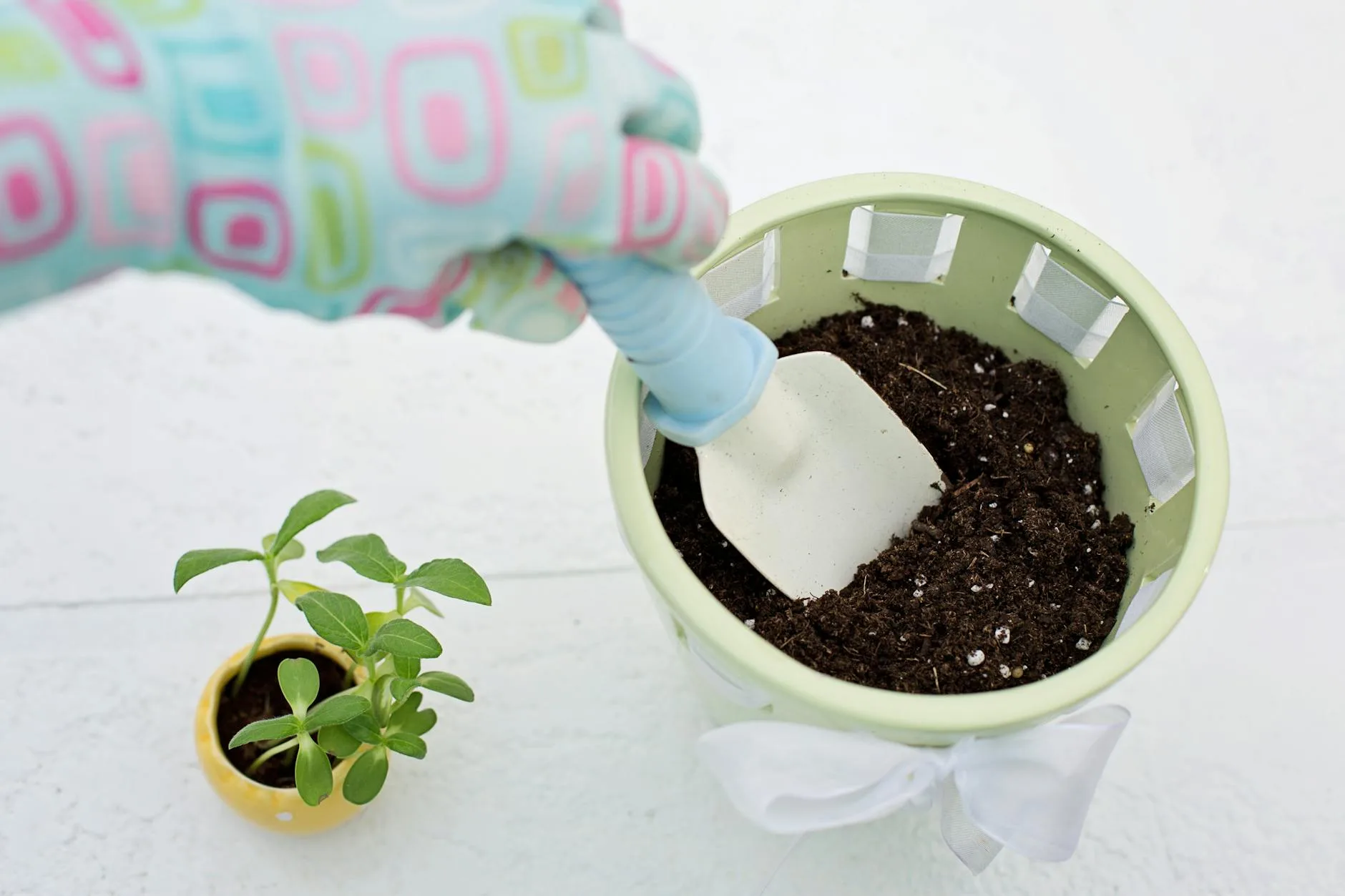
At Gusti Nature, our focus is the porosity of eggplant media. You will find a safe workflow, clear indicators of success, and a list of the most common mistakes made in the field.
Main Causes and Problem Context
The topic of eggplant growing media for the rainy season usually arises when daily conditions are unstable: weather changes, inconsistent maintenance habits, or conflicting information from many sources. As a result, decisions are delayed and results are not optimal.
The safest first step is a brief observation before changing many variables at once. Note the initial conditions, execution time, and the response 24–48 hours after action. This pattern helps you distinguish between temporary issues and structural problems.
Practical Steps to Apply Today
- Define a one-week goal: what success indicators do you want to achieve?
- Prepare tools and materials before starting so the process is not interrupted halfway.
- Execute the core steps in order, avoiding dosage spikes or drastic changes.
- Evaluate results with indicators: results should be more stable within 7–14 days.
- Adjust the next steps based on observation data, not assumptions.
Suggested tools: polybags, sprayer, fertilizer scale, weather logs.
Common Mistakes to Avoid
- Changing too many variables at once so the root cause becomes unclear.
- Failing to record the time, dosage, or environmental conditions during execution.
- Repeating old solutions without adjusting to current conditions.
- Rushing to judge failure before a minimum observation period of 48 hours.
- Ignoring safety factors, cleanliness, and end-user comfort.
7-Day Execution Checklist
- Day 1: Initial conditions + core actions.
- Day 2–3: Observation of initial response.
- Day 4–5: Small data-driven adjustments.
- Day 6: Evaluation of primary indicators.
- Day 7: Decision to proceed or repeat the cycle.
Brief Case Study
In home-scale field practice, the fastest improvements usually come from small disciplines: consistent schedules, simple measuring tools, and daily documentation. When this pattern is applied to the topic of eggplant growing media for the rainy season, results tend to be more stable even when external conditions change.
The key is not looking for instant tricks, but rather repeating a measurable process for at least two weeks before assessing final success.
In-Depth Guide for Indonesian Readers
The tropical climate, busy work schedules, and time constraints mean solutions must be realistic. Prioritize steps that can be completed in 20–40 minutes per session, then evaluate the results gradually.
Gusti Nature writes this content to help your daily decisions, not just to add another thin article. If any part is unclear, use the site's contact page to provide feedback for follow-up topics.
For long-term results, build a weekly review habit: what worked, what failed, and what needs to change the following week. This approach is far more effective than trying a new solution every day without records.
FAQ
When are initial results usually visible?
Generally 3–7 days if steps are carried out consistently and environmental factors are relatively stable.
Is it okay to combine several methods at once?
It is allowed, but start with one core method first so the evaluation is more objective.
When should I seek professional help?
If indicators continue to worsen after two improvement cycles, or if safety risks arise that cannot be managed independently.
Conclusion
The strategy for eggplant growing media in the rainy season is most effective when executed structurally: observation, core action, 48-hour evaluation, and then adjustment. With this pattern, you get more consistent results with minimal trial-and-error.
Read Also
Advanced Tips
Apply one change within 24 hours, evaluate the results, then move to the next step. This gradual approach helps you understand the impact of every decision without overwhelming your time or budget all at once.