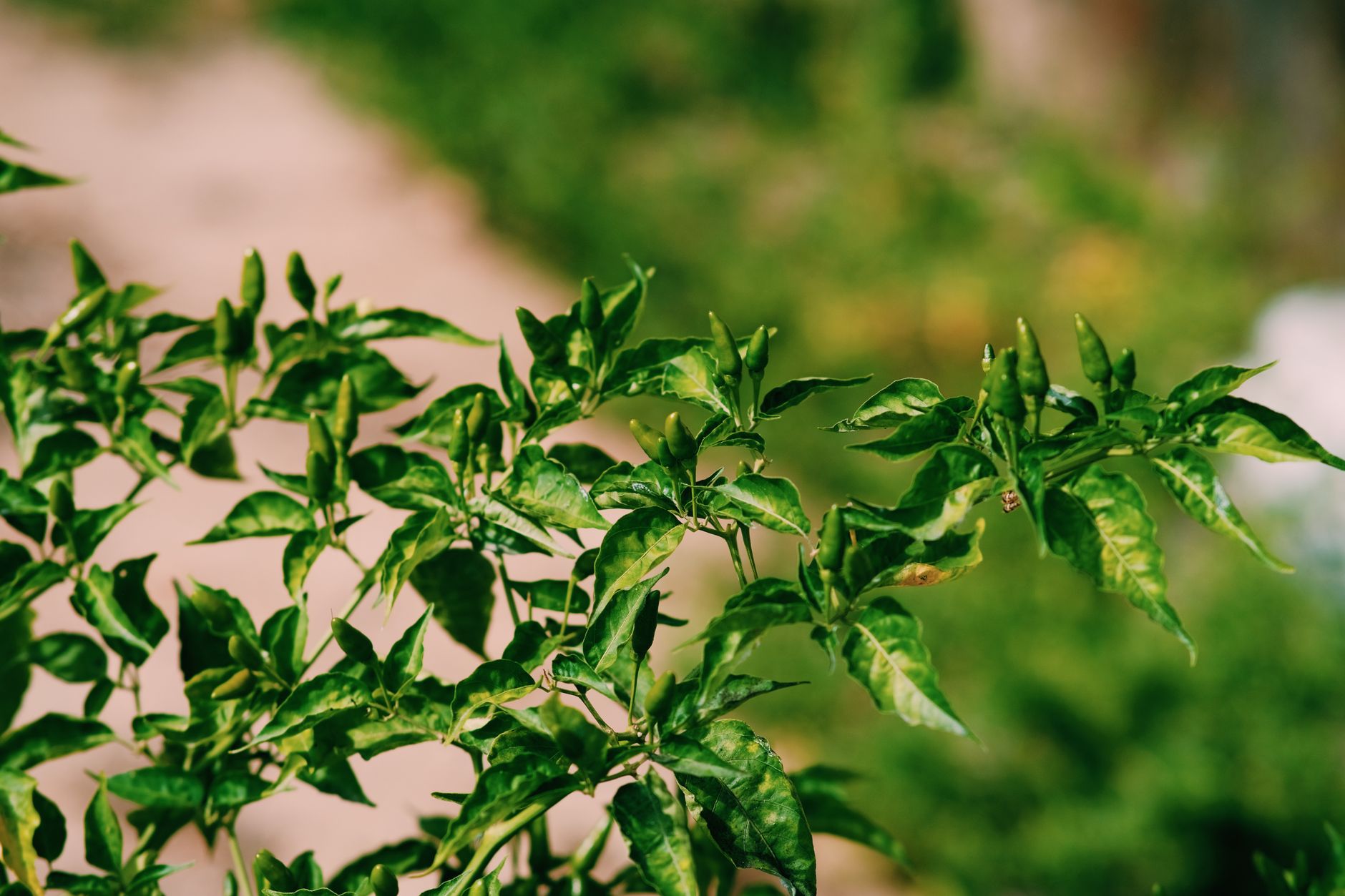
Why Potted Chili Leaves Curl & Drop Blossoms (7 Fixes)
Guide Contents (14 Sections)
- Understanding the Dual Crisis: Leaf Curl and Blossom Drop
- The Environmental Factors: Heat and Humidity
- 1. Identifying the Pest: Thrips vs. Mites
- 2. The Calcium-Boron Connection
- 7 Proven Fixes for Potted Chili Health
- Step 1: The High-Pressure Water Blast
- Step 2: Apply Organic Neem Oil and Potassium Soap
- Step 3: Correcting the NPK Balance
- Step 4: Regulating Soil Moisture
- Step 5: Foliar Calcium Supplementation
- Step 6: Manual Pollination Assistance
- Step 7: Strategic Pruning
- Fertilizer and Treatment Schedule
- Common Beginner Mistakes
Chili leaf curl is primarily caused by sap-sucking pests like thrips and mites or calcium deficiency, while blossom drop usually results from extreme heat or nitrogen imbalance. To fix this, apply organic neem oil and supplement with a calcium-boron fertilizer to strengthen cell walls and improve fruit set.
Understanding the Dual Crisis: Leaf Curl and Blossom Drop
In the humid tropics, where temperatures sit around 23°C with a staggering 88% humidity, chili plants (Capsicum annuum) are prone to physiological stress. While the warmth is generally good, high humidity can lead to pollen clumping, which prevents fertilization and causes flowers to drop. Simultaneously, these conditions are a breeding ground for microscopic pests that cause the dreaded leaf curl.
As an urban horticulturist, I often see gardeners panic when their Tabasco or Bird’s Eye chilies look stunted. The key is distinguishing between viral infections (which are incurable) and pest/nutrient issues (which are fixable). If your leaves are curling upward, it is likely thrips. If they curl downward and look bronzed, it is likely mites. If the new growth is distorted but not yellowing, you are looking at a calcium deficiency.
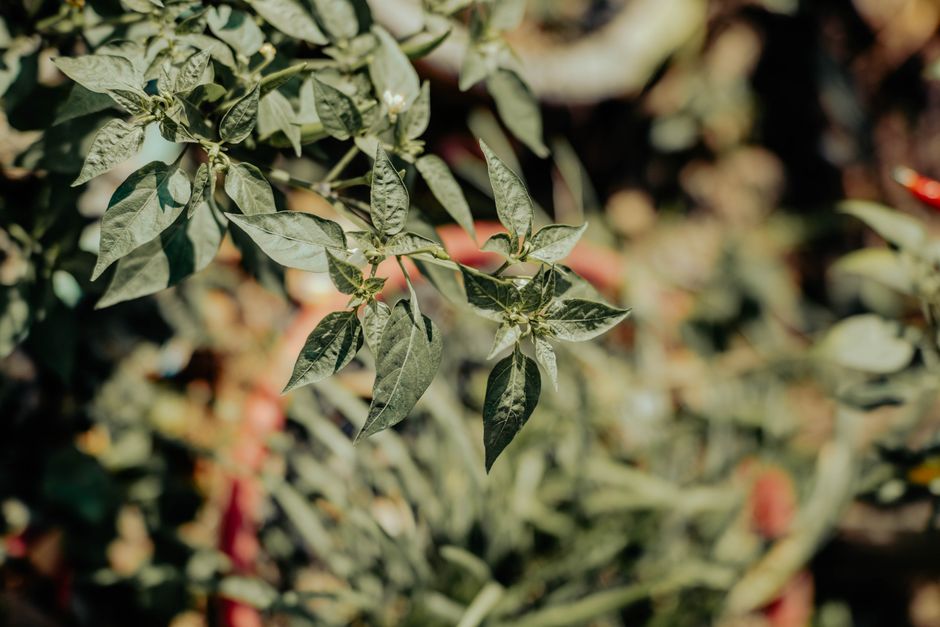
The Environmental Factors: Heat and Humidity
Our current weather—sunny with 88% humidity—is a double-edged sword. High humidity makes the air heavy, slowing down the plant's transpiration rate. When transpiration slows, the plant cannot effectively move calcium from the roots to the growing tips. This leads to localized calcium deficiency even if the soil has enough minerals. This is a vital concept in dry season garden preparation, as managing water movement is the first line of defense against physiological disorders.
1. Identifying the Pest: Thrips vs. Mites
Before applying any remedy, you must know what you are fighting. Thrips are tiny, slender insects that hide in the buds. They rasp the leaf surface, causing it to curl upwards. Mites, on the other hand, are invisible to the naked eye and cause leaves to curl downwards, often giving them a thick, leathery texture. Use a magnifying glass to check the undersides of the leaves.
2. The Calcium-Boron Connection
Blossom drop is frequently a cry for help regarding micronutrients. Boron is essential for pollen tube elongation. Without it, the flower cannot be fertilized, and the plant simply sheds it to save energy. A foliar spray containing calcium and boron can bypass the slow transpiration caused by high humidity and deliver nutrients directly to the flowers and new leaves.
7 Proven Fixes for Potted Chili Health
Implementing these steps systematically will reverse the damage and prepare your plants for a heavy harvest, much like how we optimize growth in periodic spinach harvesting for continuous yield.
Step 1: The High-Pressure Water Blast
For minor infestations, use a sharp stream of water to knock thrips and mites off the undersides of the leaves. Do this in the early morning so the foliage dries before nightfall, preventing fungal growth in our 88% humidity environment.
Step 2: Apply Organic Neem Oil and Potassium Soap
Mix 5ml of cold-pressed neem oil with 2ml of liquid potassium soap in 1 liter of water. Spray the entire plant, focusing on the undersides of leaves, every 3 days for two weeks. This disrupts the life cycle of the pests without killing beneficial pollinators.
Step 3: Correcting the NPK Balance
Too much nitrogen (N) produces lush, soft leaves that are irresistible to pests but inhibits flower production. Switch to a fertilizer higher in Phosphorus (P) and Potassium (K) once the plant reaches the flowering stage. This strengthens the plant's structural integrity.
Step 4: Regulating Soil Moisture
In pots, moisture levels fluctuate rapidly. Use a mulch of rice husks or dried leaves to keep the root zone cool. Consistent moisture prevents the "shock" that leads to blossom drop. If you are managing multiple beds, remember that 4-bed backyard crop rotation can also help reduce the buildup of soil-borne pathogens that stress chili roots.
Step 5: Foliar Calcium Supplementation
Since calcium is immobile in the plant, spray a 0.5% calcium nitrate solution directly onto the leaves every 7-10 days. This ensures the growing tips have the building blocks they need to prevent curling.
Step 6: Manual Pollination Assistance
When humidity is at 88%, pollen becomes sticky and won't fall onto the stigma. Gently shake your chili plants in the morning or use a small brush to move pollen between flowers to ensure fruit set.
Step 7: Strategic Pruning
Prune the most severely curled leaves. These leaves are no longer efficient at photosynthesis and often serve as "pest reservoirs." Removing them allows the plant to redirect energy to healthy new growth.
Fertilizer and Treatment Schedule
| Treatment Type | Dosage / Ratio | Frequency | Target Issue |
|---|---|---|---|
| Neem Oil Spray | 5ml/L water | Every 3 days | Thrips & Mites |
| Calcium-Boron Foliar | 2g/L water | Weekly | Leaf Curl & Blossom Drop |
| NPK 16-16-16 | 1 tsp per 5L pot | Every 2 weeks | General Growth |
| MKP (Mono Potassium Phosphate) | 1g/L water | Weekly during bloom | Preventing Blossom Drop |
Common Beginner Mistakes
- Over-watering in High Humidity: Just because it's hot doesn't mean the soil is dry. Always check the top 2 inches of soil first.
- Using High-Nitrogen Fertilizer during Bloom: This causes "all leaves, no fruit" and attracts aphids.
- Ignoring the Underside of Leaves: 90% of chili pests live on the bottom of the leaf; spraying only the top is ineffective.
- Overcrowding Pots: Poor airflow in 88% humidity leads to powdery mildew and fungal blossom rot.
Can I use dish soap instead of potassium soap for pests?
While some use it, many modern dish soaps are detergents that can strip the protective waxy layer (cuticle) off chili leaves, making them more vulnerable to sunscald. It is safer to use dedicated insecticidal potassium soap.
Why are my chili flowers turning yellow before falling off?
This is usually a sign of ethylene stress or extreme temperature fluctuations. In high humidity, it can also indicate a fungal infection like Choanephora blight. Ensure better spacing for airflow.
How long does it take for curled leaves to recover?
Severely curled leaves rarely "uncurl" fully. Success is measured by the health of the *new* growth. If the new leaves emerging from the top are flat and green, your treatment is working.